Column · @caidenwxhs245
Exactly How Is Urinary Incontinence Linked To Menopause?
·Filed by @caidenwxhs245
Menopause And Urinary System Incontinence: Reasons And Treatments
Managing anxiety is also crucial, as adrenal hormonal agents affected by anxiety affect urinary function. The most usual kind of bladder control problem in older females is anxiety incontinence. Weakened muscle mass can't hold back urine when you cough, Learn more exercise, sneeze, laugh, or lift something heavy. The outcome can be a tiny leakage of urine or a complete loss of control.Menopause And Urinary Incontinence
- You can likewise buy pads or protective underwear while you take various other steps to treat urinary incontinence.
- As the bladder stretches to hold more pee, it sends us signals so we can begin heading to the restroom.
- Perimenopause can create a range of menopausal symptoms, however it can likewise trigger bladder leakages.
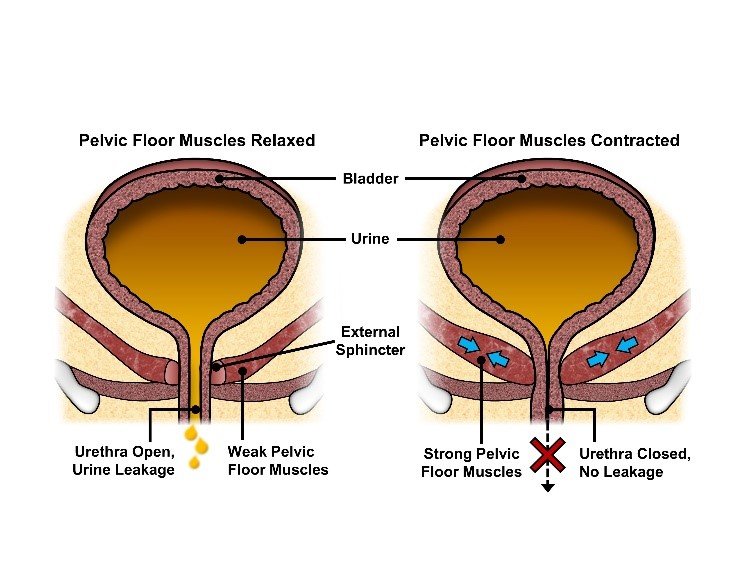
- As estrogen levels decrease with age or menopause, the tissues around the bladder and urethra might come to be slim, dry, or less flexible, reducing the urethra's capability to stay totally shut.
- Menopause-related hormone shifts can irritate the bladder and add to this problem.
Exactly How Can I Manage Urinary System Signs And Protect Against Urinary Tract Infections During Menopause?
While urinary incontinence can be a component of aging, there are ways to stop and minimize signs and symptoms. What you consume, just how you move, and how you preserve your general health can all help. While it might appear counterproductive, remaining well hydrated can help reduce bladder inflammation. Certain conditions such as numerous sclerosis, diabetes, or Parkinson's disease can create nerve damage which can make it more challenging to manage the bladder. These are all symptoms women can experience prior to they get in menopause throughout a time called perimenopause.
Several ladies experience bladder leak throughout perimenopause and menopause, yet it does not indicate you have to live with it. Find out why it takes place and what can be done to treat signs of urinary system incontinence during the Menopause And Incontinence. This type of urinary incontinence happens when physical activities such as laughing, sneezing, coughing, or working out put stress on your bladder, creating leakage. It is usually linked to the weakening of pelvic floor muscle mass, which can take place because of hormonal adjustments during menopause. As a RN who's worked in geriatrics for over 14 years, I understand first hand that transforms in bladder control can be a common component of aging.Just How Estrogen Loss Effects Urinary Feature
If you are experiencing incontinence symptoms during menopause, don't hesitate to review your concerns with us. We know it's not constantly very easy to talk about urine leakages, yet there are therapy alternatives available to help you reclaim control and enjoy a much better lifestyle throughout this transformative stage. Moreover, most researches fail to account for the long-term impact of different therapies on UI such as pelvic floor workouts, medicines, or medical treatments. The hormonal impact on UI continues to be questionable, and more regulated research studies are needed to completely comprehend exactly how hormonal agent substitute treatments, or lack thereof, impact UI development in postmenopausal women. During perimenopause, menstrual cycle ends up being irregular, eventually ending when menopause starts. While menopause-related incontinence can be challenging, there are numerous approaches to take care of and reduce its symptoms. One major restriction of the existing body of research is the variability in analysis devices and techniques throughout research studies.
— 30 —